


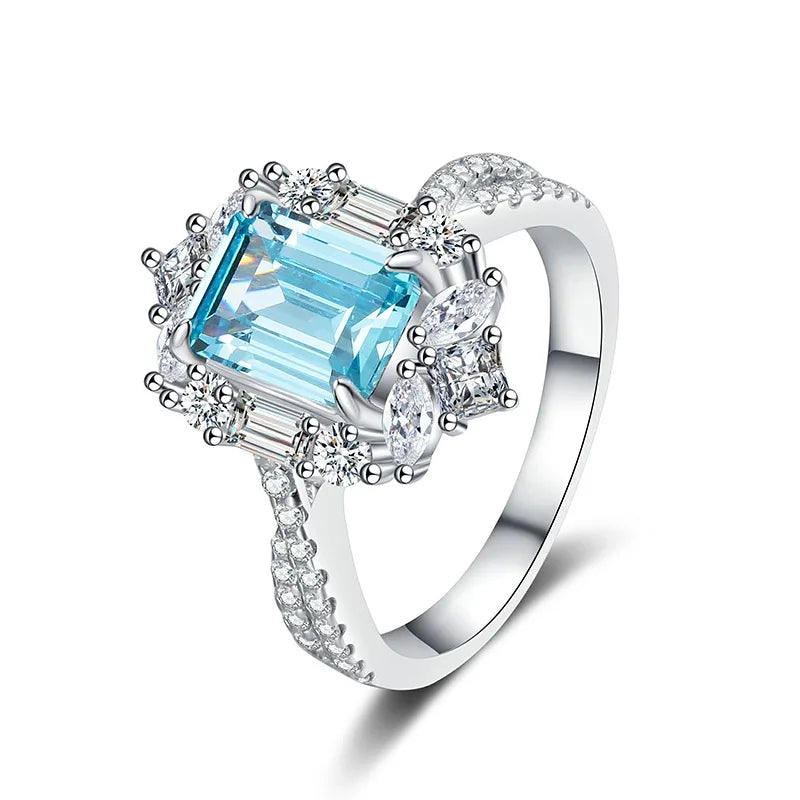
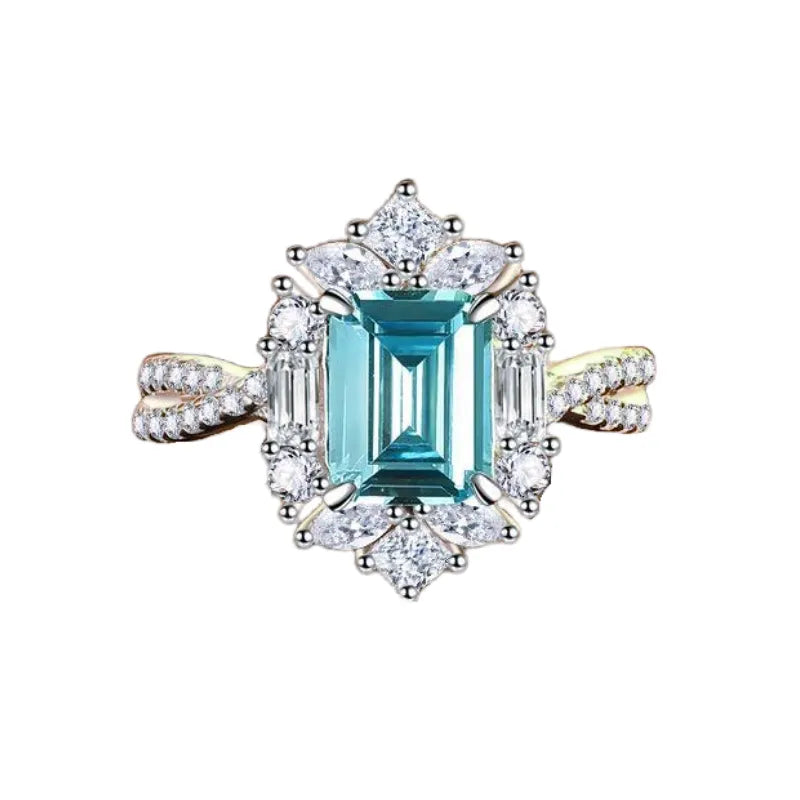
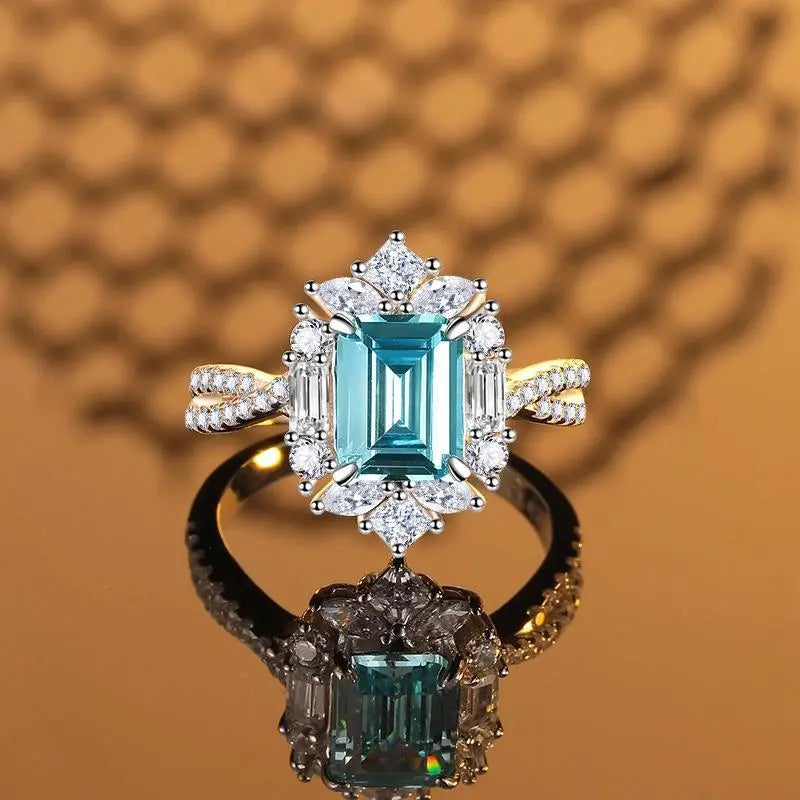
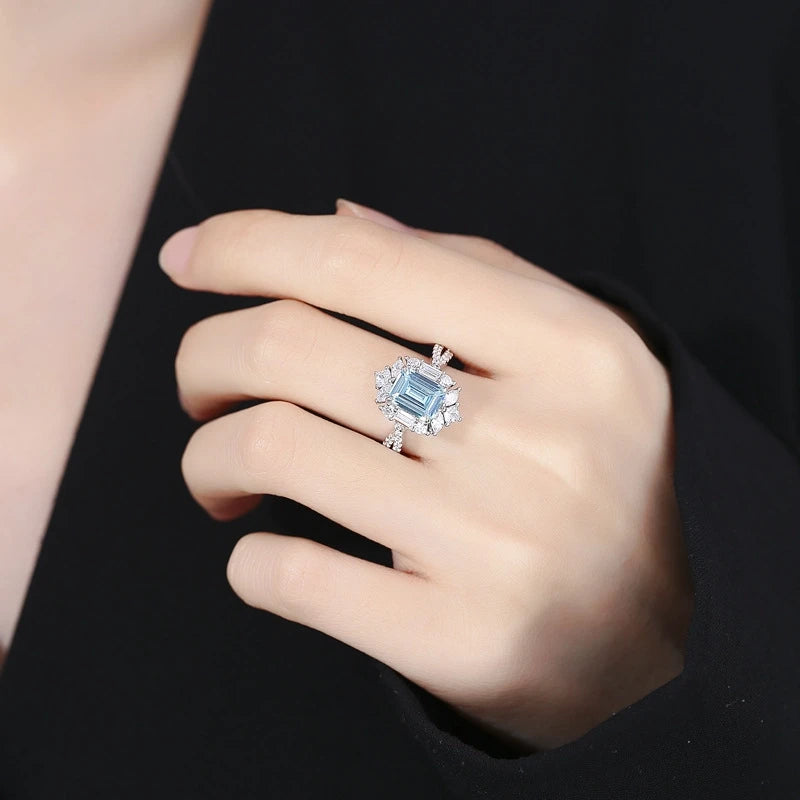
Jewelry Size Guide – Rings, Bracelets, Necklaces &Anklets
Find your perfect fit before you buy. This international jewelry size guide helps customers in the US, UK, and Europe choose the correct size with confidence. Accurate sizing means better comfort, better appearance, and fewer returns.
Ring Size Guide
Ring sizes vary by country. Use the chart below to convert between UK letter sizes, US numeric sizes, and EU metric sizes.
How to Choose the Right Ring Size: International Conversion Chart
- Measure the inner diameter of an existing ring (mm), or
- Measure your finger circumference using a soft tape or paper strip (cm)
- Measure at room temperature for best accuracy

| US, Canada & Mexico | UK, Australia, Ireland & New Zealand | Inside Diameter (mm) | Inside Circumference (mm) | China, Japan, India & South America | Italy, Spain, Netherlands & Switzerland |
| 3 | F | 14 | 44 | 4 | 3.25 |
| 3.25 | F 1/2 | 14.25 | 44.7 | - | 4.625 |
| 3.5 | G | 14.5 | 45.2 | 5 | 5.25 |
| 3.75 | G 1/2 | 14.75 | 46.1 | 6 | 5.875 |
| 4 | H | 15 | 46.8 | 7 | 6.5 |
| 4.25 | H 1/2 | 15.25 | 47.8 | - | 7.125 |
| 4.5 | I | 15.5 | 48.7 | 8 | 7.75 |
| 4.75 | J | - | 49.3 | - | 8.375 |
| 5 | J 1/2 | 15.75 | 49.9 | 9 | 9 |
| 5.25 | K | 16 | 50.6 | - | 9.625 |
| 5.5 | K 1/2 | 16.25 | 51.2 | 10 | 10.25 |
| 5.75 | L | - | 51.9 | 11 | 10.875 |
| 6 | L 1/2 | 16.5 | 52.5 | 12 | 11.5 |
| 6.25 | M | 16.75 | 53.1 | - | 12.125 |
| 6.5 | M 1/2 | 17 | 53.8 | 13 | 12.75 |
| 6.75 | N | - | 54.4 | - | 13.375 |
| 7 | N 1/2 | 17.25 | 55.1 | 14 | 14 |
| 7.25 | O | 17.5 | 55.7 | - | 14.625 |
| 7.5 | O 1/2 | 17.75 | 56.3 | 15 | 15.25 |
| 7.75 | P | - | 57 | - | 15.875 |
| 8 | P 1/2 | 18 | 57.6 | 16 | 16.5 |
| 8.25 | Q | 18.25 | 58.3 | - | 17.125 |
| 8.5 | Q 1/2 | 18.5 | 58.9 | 17 | 17.75 |
| 8.75 | R | 18.75 | 59.5 | - | 18.375 |
| 9 | R 1/2 | 19 | 60.2 | 18 | 19 |
| 9.25 | S | 19.25 | 60.8 | - | 19.625 |
| 9.5 | S 1/2 | 19.5 | 61.4 | 19 | 20.25 |
| 9.75 | T | 19.75 | 62.1 | - | 20.875 |
| 10 | T 1/2 | 20 | 62.7 | 20 | 21.25 |
| 10.25 | U | 20.25 | 63.4 | 21 | 22.125 |
| 10.5 | U 1/2 | 20.5 | 64 | 22 | 22.75 |
| 11 | V 1/2 | 20.75 | 65.3 | 23 | 24 |
Tip: If you are between sizes, choose the larger size for comfort.
Bracelet Size Guide

Bracelets should sit comfortably on the wrist without feeling tight.
| Wrist Size (cm) | Fit Type | Bracelet Length (cm) | Length (inch) |
|---|---|---|---|
| 14–15 | Snug | 16 | 6.3" |
| 15–16 | Standard | 17–18 | 6.7–7.1" |
| 16–17 | Comfort | 18–19 | 7.1–7.5" |
| 17–18 | Loose | 19–20 | 7.5–7.9" |
Necklace Size Guide

| Length (cm) | Length (inch) | Style | Position |
|---|---|---|---|
| 35–40 | 14–16" | Choker | Around neck |
| 45 | 18" | Princess | Collarbone |
| 50 | 20" | Matinee | Below collarbone |
| 55–60 | 22–24" | Opera | Upper chest |
| 70+ | 28"+ | Rope | Mid-chest |
Anklet Size Guide

| Ankle Size (cm) | Recommended Length (cm) | Length (inch) |
|---|---|---|
| 20–21 | 22–23 | 8.7–9.1" |
| 21–22 | 23–24 | 9.1–9.4" |
| 22–23 | 24–25 | 9.4–9.8" |
| 23–24 | 25–26 | 9.8–10.2" |
International Sizing Support
Our jewelry is designed for international customers and supports US, UK, and EU sizing standards. Metric measurements (cm/mm) are provided for maximum accuracy.
If you have any other questions, feel free to contact our support team for assistance.
Jewelry Care Guide | Rings, Necklaces, Bracelets, Anklets &Stud Earrings
This professional jewelry care guide explains jewelry materials, gemstone sensitivity, common wear-related issues, and proper care methods.

Ring Care Guide
Ring Materials & Care
| Material | Characteristics | Common Risks | Care Recommendations |
|---|---|---|---|
| 14K / 18K Gold | Durable, non-rusting | Scratches, deformation | Avoid heavy pressure, store separately |
| Sterling Silver (925) | Softer metal, bright finish | Tarnishing, scratches | Keep dry, use polishing cloth |
| Platinum | Dense, very durable | Surface wear | Professional polishing recommended |
| Gold-Plated / Vermeil | Thin gold layer | Fading, peeling | Avoid water, sweat, chemicals |
Ring durability depends heavily on material choice. Solid gold and platinum are suitable for long-term wear, while sterling silver and gold-plated rings require reduced exposure to moisture and friction to prevent tarnishing and fading.

Ring Gemstones & Sensitivity
| Gemstone | Hardness (Mohs) | Sensitivity | Notes |
|---|---|---|---|
| Diamond | 10 | Low | Very durable, edges may chip |
| Moissanite | 9.25 | Low | Ideal for daily wear |
| Ruby / Sapphire | 9 | Low | Scratch-resistant |
| Emerald | 7.5–8 | High | Avoid impact and chemicals |
| CZ / Synthetic | 8–8.5 | Medium | May dull with abrasion |
Gemstone hardness directly impacts daily wear suitability. Diamonds, moissanite, and sapphires are recommended for frequent wear, while emeralds and softer stones are best reserved for occasional use.

Ring – Common Problems & Prevention
| Problem | Cause | How to Avoid |
|---|---|---|
| Stone loosening | Impact, long-term wear | Regular prong inspection |
| Scratches | Daily friction | Remove during manual work |
| Deformation | External pressure | Avoid gripping heavy objects |
Most ring issues are caused by daily activities rather than manufacturing defects. Routine inspection and mindful wearing habits significantly reduce long-term damage.

Necklace Care Guide
Necklace Materials & Durability
| Material | Strength | Risk Areas | Care Notes |
|---|---|---|---|
| Solid Gold | High | Clasps | Check clasp regularly |
| Sterling Silver | Medium | Tarnish | Store airtight |
| Stainless Steel | Very High | Minimal | Low maintenance |
| Plated Chains | Low | Coating loss | Short wear cycles |
Necklace longevity depends on both chain material and clasp integrity. Regular inspection and proper storage help prevent accidental loss and tangling.

Necklace Gemstones & Care
| Gemstone | Sensitivity | Special Care |
|---|---|---|
| Diamond | Low | Clean with soft cloth |
| Pearl | Very High | Avoid perfume & heat |
| Opal | Very High | No water or chemicals |
Pearls and opals are highly sensitive gemstones. They should be worn occasionally and cleaned gently to prevent dehydration and surface damage.

Necklace – Common Issues
| Issue | Cause | Prevention |
|---|---|---|
| Tangling | Improper storage | Hang or lay flat |
| Clasp failure | Tension during sleep | Remove before sleeping |
Simple storage habits and removing necklaces before sleep can significantly extend their usable life.
Bracelet Care Guide
Bracelet Types & Wear Risk
| Type | Wear Frequency | Main Risk | Care Advice |
|---|---|---|---|
| Metal Chain | Daily | Desk friction | Remove during work |
| Elastic Beaded | Occasional | Stretching | Avoid pulling |
| Leather / Cord | Casual | Water damage | Keep dry |
Bracelets are exposed to frequent friction and moisture. Rotating pieces and removing them during work reduces wear and prolongs durability.

Bracelet – Common Problems
| Problem | Cause | Solution |
|---|---|---|
| Surface wear | Repeated contact | Rotate bracelets |
| Cord breakage | Overstretch | Gentle handling |
Most bracelet damage is gradual and preventable through gentle wear and rotation.
Stud Earring Care Guide
Earring Materials & Skin Safety
| Material | Hypoallergenic | Notes |
|---|---|---|
| Solid Gold | Yes | Best for sensitive ears |
| Titanium | Yes | Medical-grade option |
| Sterling Silver | Medium | Not ideal for new piercings |
| Plated | Low | Short-term wear only |
Choosing hypoallergenic materials is essential for ear health, especially for sensitive skin or newly pierced ears.

Stud Earrings – Common Issues
| Issue | Cause | Prevention |
|---|---|---|
| Backing loss | Loose backs | Check weekly |
| Skin irritation | Metal reaction | Use hypoallergenic posts |
Regular inspection and proper material selection help prevent earring loss and skin irritation.
Jewelry Care FAQ
Can I wear my jewelry while showering or swimming?
We do not recommend wearing jewelry while showering or swimming. Water, chlorine, and salt can damage metals and gemstones, especially silver, plated jewelry, pearls, and opals.
Removing jewelry before water exposure is the most effective way to prevent tarnishing, fading, and gemstone damage.

Will my jewelry fade or lose color over time?
Solid gold and stainless steel do not fade, but gold-plated and vermeil jewelry may lose their coating with frequent wear.
Color fading in plated jewelry is considered normal wear rather than a defect.
Is it normal for jewelry to show scratches or wear?
Yes. Minor scratches and surface wear are normal, especially on rings and bracelets worn daily.
Natural wear does not affect functionality and reflects regular use.
Can gemstones fall out over time?
Gemstones may loosen due to impact or long-term wear. Periodic prong checks are recommended.
Routine inspection significantly reduces the risk of accidental gemstone loss.
What jewelry is best for sensitive skin?
Solid gold, titanium, and surgical-grade stainless steel are best for sensitive skin.
Hypoallergenic materials reduce irritation and improve long-term comfort.
How should I store my jewelry when not in use?
Store jewelry in a dry place, ideally in separate compartments or pouches.
Proper storage prevents scratches, tangling, and oxidation.
